
Virginia Water Wells Drop—People Suffer—We Want to Help
Virginia Water Wells Drop?People Suffer?We Want to Help
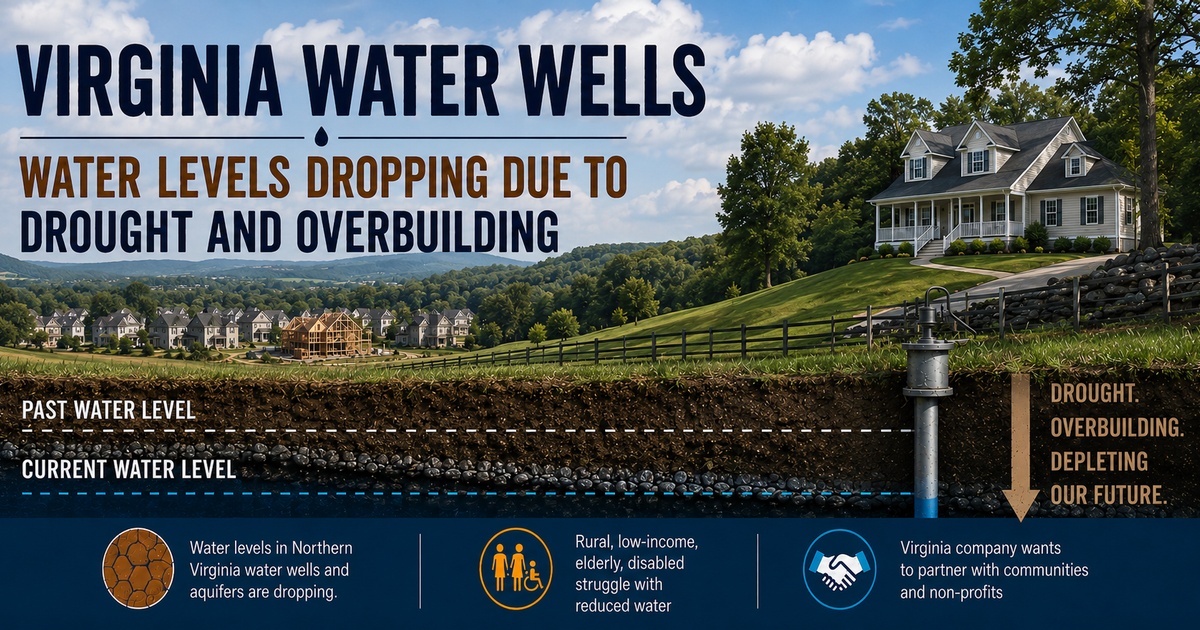
The risk of water insecurity is growing in Virginia. We want to help those at greatest risk.
- Water insecurity risks are growing in northern Virginia
- Many water wells and groundwater aquifer levels have dropped 20?40 feet
- Over-construction and years of severe to extreme drought conditions are impacting groundwater supplies
- Rural, low-income, elderly, and medically-challenged residents are most at risk and have the fewest resources to mitigate water insecurity
- Virginia company wants to partner with communities and non-profits to provide water security to those who are struggling
Water insecurity is a growing problem across the country. Many parts of the US have been under severe to extreme drought conditions for multiple consecutive years. The impact shows on the surface readily as brown grass, weeping flowers, dry/blowing dirt, and dying crops. What you can't see is below the surface: Water wells and aquifers are struggling.
Water Wells Simplified

More than 15% of the U.S. population (51 million Americans) rely on private water wells for their home potable water supply.
Water wells are holes drilled into fractured rock formations below the surface of the earth. These formations hold water that seeps down from the surface after a rain, or from larger underground fractured rock formations nearby.
Water wells store a volume of water. This volume can drop when users draw from the well. The well recharges when the water draw stops or is reduced. Deep wells or wells drilled into hearty water-holding rock formations can have lots of water and fast refill rates. Shallow wells or wells drilled into lower water-holding formations can have less water and lower refill rates.
Steady and regular rainfall rates keep aquifers and wells full. But drought conditions?and even severe rain storms?prevent aquifers from refilling adequately. Also, over-building and commercial construction can draw water out faster than aquifers replenish. When drought conditions and overbuilding occur together, water wells and aquifers experience threatening drops in their water levels: people suffer.
Virginia's Groundwater Supplies Are Decreasing
The Loudoun County Preservation and Conservation Coalition in Purcellville, VA?a group of concerned citizens and scientists in western Loudoun County?has studied the water wells and aquifers in their region. The findings are startling. You can find their full report and slides here: Assessment of the Groundwater Supply in Loudoun County, VA.
Also, a recent article in the Chesapeake Bay Journal shows that area aquifers are less full, groundwater levels in the Potomac Aquifer have been falling, and aquifer replenishment is slowing.
In a nutshell, our natural groundwater supplies are at risk.
Drought Monitor Shows the Current State of National Conditions

The U.S. Drought Monitor, a website run by the National Drought Mitigation Center at the University of Nebraska-Lincoln, shows the current state of drought conditions across the country.
Using their comparison slider, you can see the spread of drought conditions across multiple years. It is getting worse, not better. Many parts of the country are already in extreme drought conditions very early in the year.
Changing Climate is Driving Water Challenges
Climate Change has been a controversial discussion area for many years. Regardless of your position on the issue, we simply have to be better prepared for the likelihood of water challenges going forward.
It's not new, it's not decreasing, and drought conditions are exacerbating the problem. Drought conditions are here now!
Many might dig deeper wells or put in a large cistern/storage tank. For others, water insecurity is a health risk. Water is life!!
While many find water insecurity an inconvenience, a little research uncovers significant numbers of our fellow Virginians who are rural, low income, elderly, and may be medically/mentally challenged?all proud and wanting to be independent and self-reliant in their own homes for as long as they can. Even disabled veterans and Native Americans. They may simply lack adequate transportation.
Who Is at Greatest Risk of Water Insecurity?
Imagine:
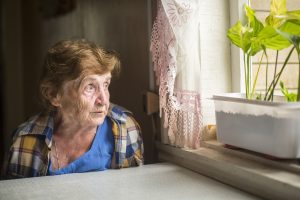
- An elderly neighbor who needs to store emergency water because their well is not as strong as it once was. They might struggle to walk on their own. How will they carry emergency water when needed? Water is more critical for the elderly.
- A young rural resident in a wheelchair. Their disabilities make reliable water even more critical for sanitation and hygiene, yet also impede their ability to lift emergency water from a tub or sink following a severe storm that knocks out water. We all need water for basic sanitation and hygiene.
- A diabetic for whom hydration is considered more critical. Dehydration can cause blood sugar to become concentrated and spike, while high blood glucose itself leads to increased urination causing further fluid loss.
- A low-income family that can't afford to dig a deeper well or buy bottled water and may not have reliable transportation if they need to purchase emergency water supplies when needed.
We Can Help Those at Greatest Risk and With the Fewest Resources
Water is becoming a greater challenge, and water availability is a greater threat to some than others. As we address long-term changes in zoning, permitting, planning, and building codes, we have to consider mitigation approaches for those currently struggling?those impacted the most by water insecurity and with the fewest resources available.
Emergency water systems exist that can be installed in homes to help offset periods of water loss for days at a time. Our company, Constant Water, developed a battery-powered (rechargeable), whole-house emergency water system for ANY water-out event. This system can provide drinkable water to every water spigot in the house and will allow toilets to be flushed when necessary?no buying or carrying of water is required.
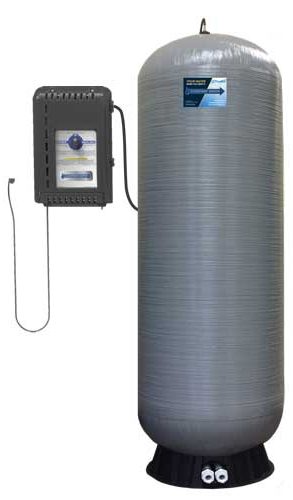
Our systems seamlessly integrate into a home's existing plumbing so the tank is always full and the water is always fresh. When needed, our system pressurizes the water?without utility power or public water pressure?making the water available throughout the home.
Our systems can help those most at risk have water for consumption, cooking, sanitation, hygiene, and toilets. Our systems also recharge when the water in the well refills or the public water returns. Ours is not an endless supply, but it is simple, reliable, effective, and scalable.
We Can Help, But We Need Your Help, Too!
Grants are available that can help mitigate water insecurity. These grants are available to non-profit and community partnerships willing to work together to help those that need assistance. They are not available directly to us, a for-profit company. We want to be part of a team?your team?in applying for the grants. We can leverage local and state resources to pursue federal opportunities that fund mitigating solutions. We can build a team that deploys solutions to those struggling now or those who are most at risk.
20 years ago, our family needed water security. We discovered how many ways, and how often, we could be without water with our first well system. There was not a reliable single approach to water security. There is now.
15 years ago, power outages were the big problem. There wasn't a significant decrease in groundwater supplies in northern Virginia or in many parts of the country where the climate has since turned harsh. There is now.
10 years ago, there wasn't a critical need to mitigate water insecurity for the rural, low-income, elderly, medically/mentally challenged, disabled veterans, and Native Americans. There is now.
Constant Water systems are not an endless supply, but with fundamental water conservation practices?something we should all be doing during a water-out event?our systems can provide a week's worth of water for an elderly couple, a small low-income family, or a proud disabled veteran.
We want to partner with local communities and non-profits to bring solutions.
Let's build a team! Let's help struggling people with "today solutions" while addressing tomorrow's legislation, planning, and building codes. We want to be on this vital solutions team.
Originally published by Constant Water, LLC | 6649 Garland Dr., Unit 10, Warrenton, VA 20187 | 540-347-3440 | info@constantwater.com
Constant Water
-
Judson Walls CEO
- May 12, 2026
- (540) 347-3440
- Send Email
